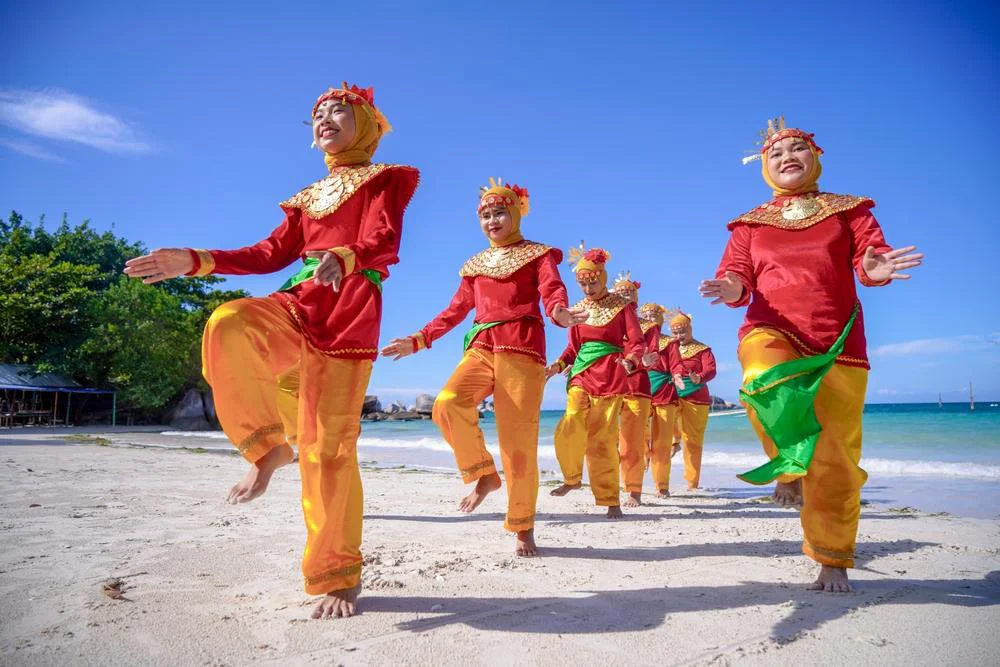
id.mybelitungtrip.com – Imagine standing on a beach where the sand is as white as powdered sugar, framed by giant, smooth granite boulders that look like ancient guardians of the coast. The sun is beginning to dip, casting a golden hue over the turquoise waters of the Tanjung Pandan coastline. Suddenly, the air fills with the rhythmic pulse of a drum and the melodic twang of a gambus. A group of dancers appears, their movements as fluid and unpredictable as the waves.
This is the Tari Sepen, the soul of Melayu Belitong culture, and for any traveler visiting this Indonesian paradise, witnessing it is just as essential as island hopping or tasting the local Gangan soup.
More Than Just a Dance: The Story of Tari Sepen
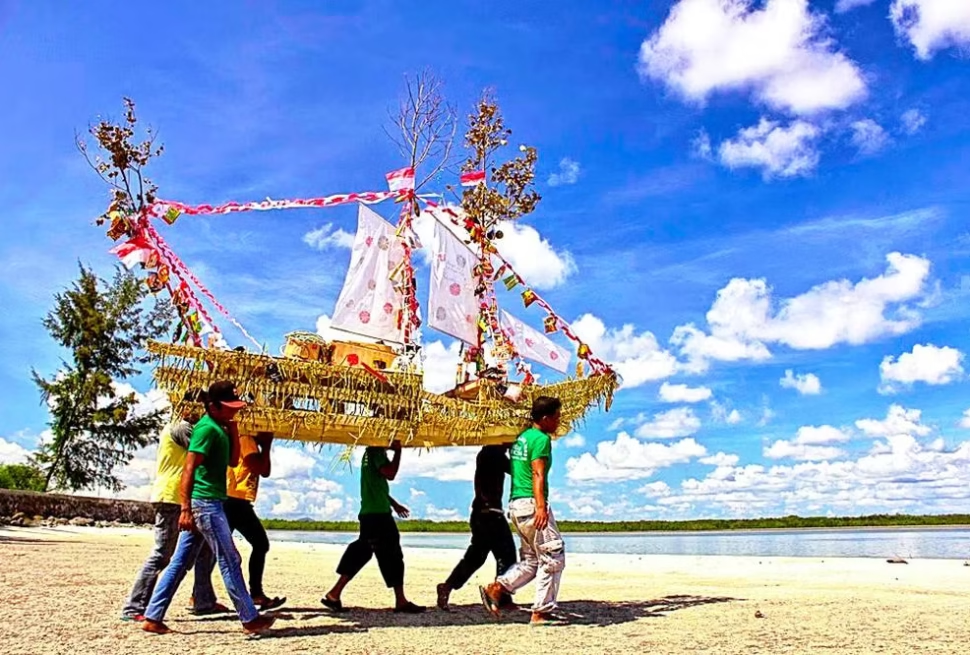
In the world of travel, we often seek “authentic experiences.” In Belitung, authenticity isn’t found in a souvenir shop; it’s found in the footwork of the Sepen. This traditional dance is a celebration of the island’s seafaring heritage. Historically, it was a way for the coastal communities to express joy, gratitude, and the spirit of togetherness.
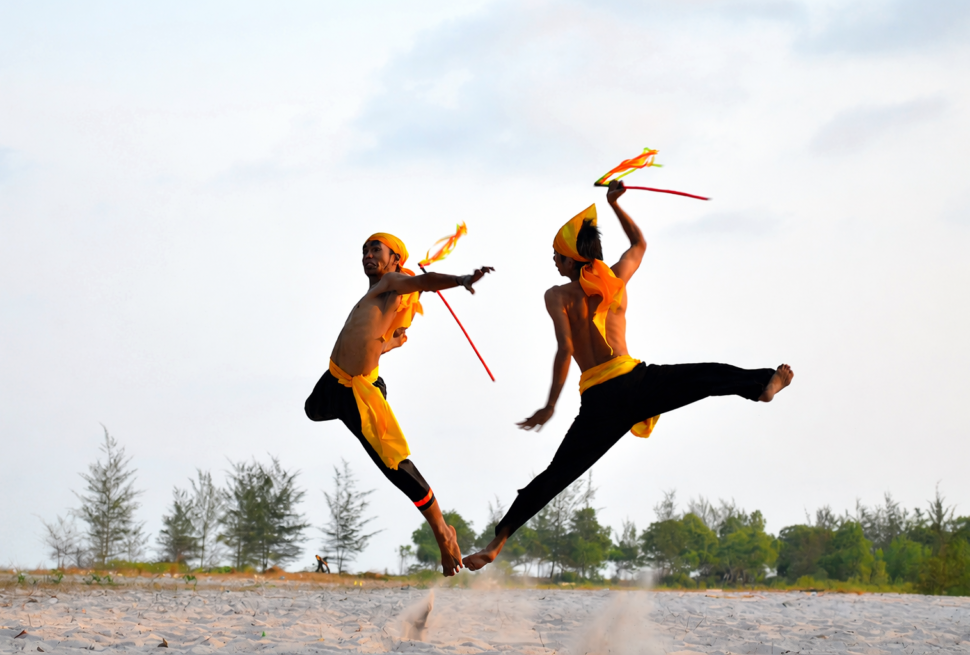
The dance is heavily influenced by Pencak Silat (traditional martial arts), which gives it a unique edge. Unlike some slow, meditative traditional dances, the Sepen is dynamic, agile, and full of life. It’s a physical conversation between the dancers and the land they call home.
The Visual Feast: Costumes and Colors
When you see a Sepen performance during your 3D2N Belitung Tour, the first thing that hits you is the color. Dancers typically wear vibrant, traditional Malay attire—often in bright yellows, greens, or deep reds—complemented by intricate headgear and songket fabrics.
As they move, the fabric catches the sea breeze, creating a visual harmony with the surrounding landscape. It’s a photographer’s dream and a cultural enthusiast’s favorite moment.
The Music: The Heartbeat of the Archipelago
You can’t have Tari Sepen without the mesmerizing sounds of the Gambus (a lute-like instrument) and the Rebana (drums). The music starts slow, teasing the audience, before building into a fast-paced crescendo that mirrors the excitement of a successful harvest or a safe return from the sea.
For the modern traveler, this music acts as a bridge. You don’t need to speak the local dialect to understand the story being told. The rhythm is universal; it speaks of community, resilience, and the pure joy of being alive.
Why You Should Include Culture in Your Belitung Itinerary
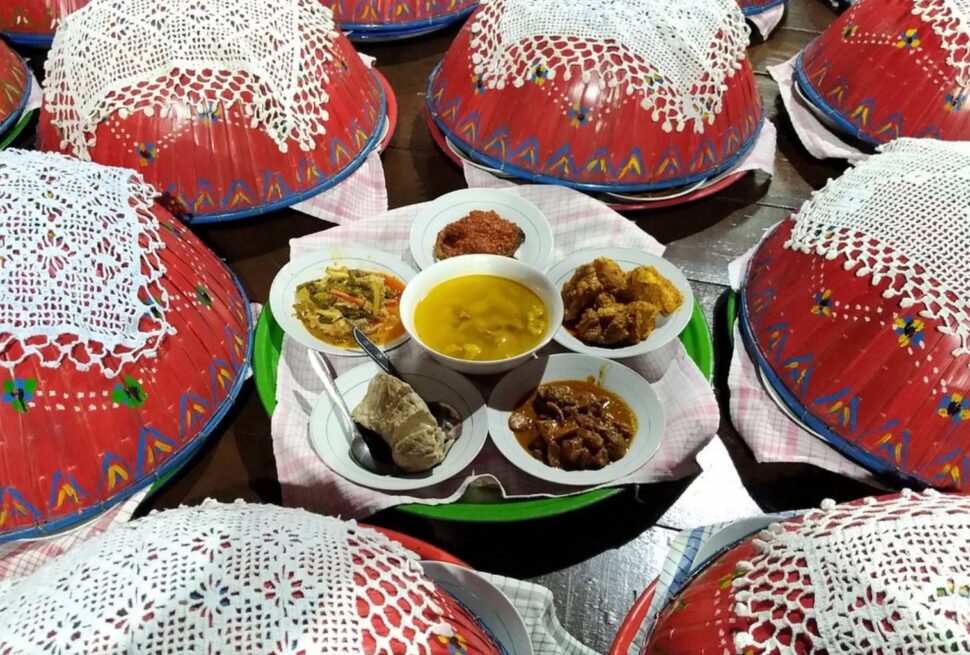
Many travelers come to Belitung Island specifically for the “Laskar Pelangi” (The Rainbow Troops) locations or the stunning Lengkuas Island lighthouse. While those are breathtaking, adding a cultural element like a Sepen performance or a Makan Bedulang dinner transforms a “vacation” into a “journey.”
Understanding the Tari Sepen gives context to the islands you see. It tells you about the people who have lived among these granite rocks for generations. It explains why the locals are so incredibly welcoming—it’s baked into their dance, their music, and their history.
Where to Experience Tari Sepen
While you might stumble upon a performance during a local wedding or a government festival, many Premium Belitung Packages now include cultural showcases at local eco-tourism villages or during special “Welcome Dinners” by the beach.
If you’re planning your trip, ask your tour operator about visiting a local Sanggar (arts studio). Watching a rehearsal is often even more intimate and fascinating than the final show, as you see the dedication of the younger generation keeping the Melayu Belitong traditions alive.
Final Thoughts: Leave with a Song in Your Heart
As you fly out of Belitung, looking down at the scattered islands and the emerald sea, the memory of the Sepen dancers will likely be what sticks with you most. It’s a reminder that beauty isn’t just in the scenery—it’s in the rhythm of the people.***